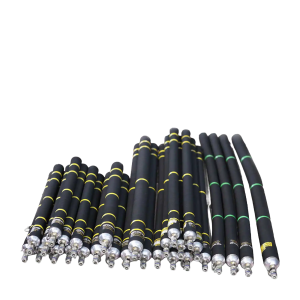
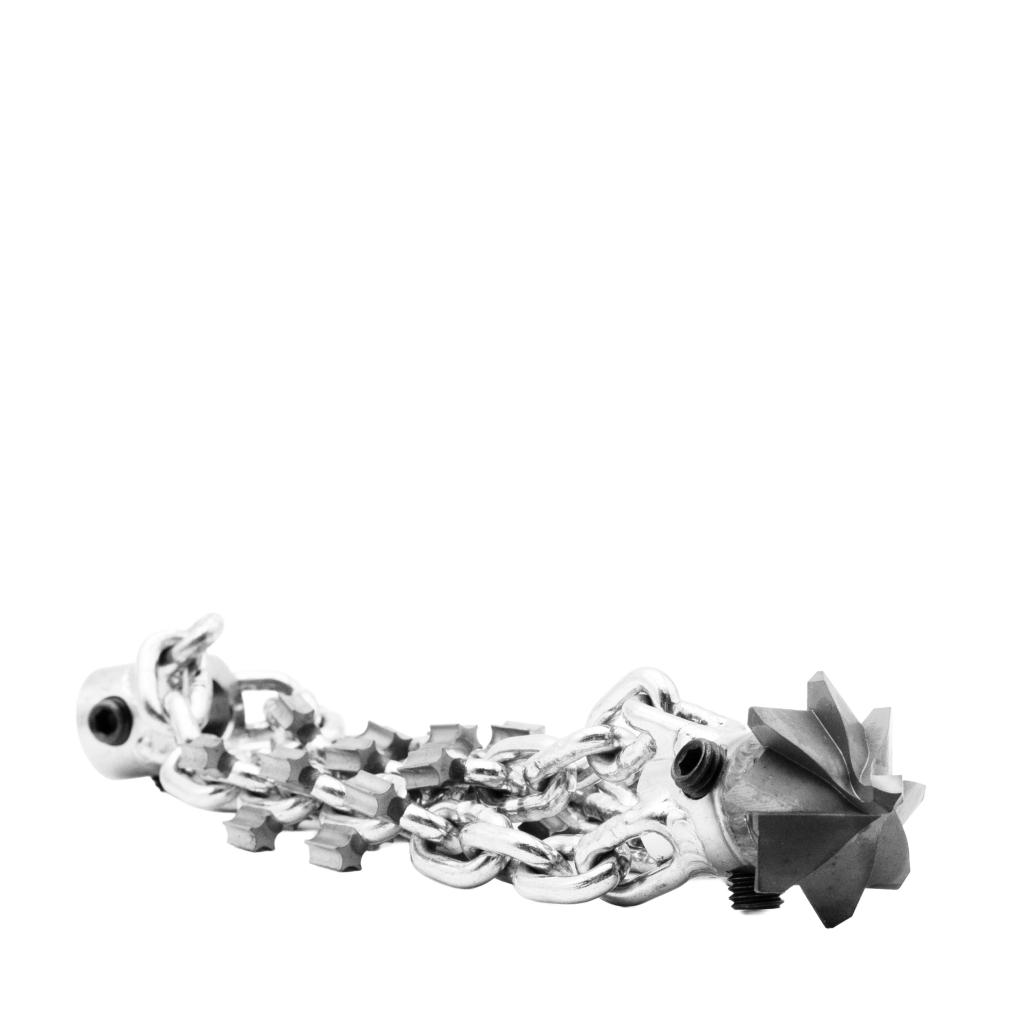
The knife chains for intensive stripping are an essential tool for cleaning old cast iron pipes. This specialized equipment effectively removes scale, encrustations, and limescale deposits that accumulate over the years in sewer systems.
For drain cleaning and sewer cleaning professionals, mastering the use of these specialized chains is essential to ensuring effective and sustainable interventions on aging infrastructure.
How knife chains work for intensive stripping
The cast iron pipe cleaning chain consists of a reinforced metal structure equipped with strategically positioned sharp blades. These blades are designed to scrape and remove the most stubborn deposits adhering to the walls of pipes.
The operating principle is based on mechanical rotation: the chain is pulled through the pipe by a pulling system, allowing the blades to scrape evenly around the entire circumference of the pipe. This rotation ensures consistent and thorough cleaning.
Essential technical specifications
Professional channels are distinguished by several crucial technical elements:
– High-strength materials: hardened steel for the blades, galvanized chain for corrosion resistance
– Optimized geometry: calculated blade spacing for maximum efficiency
– Controlled flexibility: ability to negotiate bends without losing efficiency
– Adaptable diameters: available for different pipe sections
Specific applications in old pipes
Old sewer systems, particularly those made of cast iron, present specific challenges that only intensive cleaning chains with cast iron scale cutters can effectively overcome.
Issues with cast iron pipes
Cast iron pipes, widely used in construction in past decades, develop characteristic problems over time:
– Formation of corrosion pits reducing the effective diameter
– Accumulation of thick, adherent limescale deposits
– Organic encrustations mixed with metal residues
– Rough surface promoting the accumulation of debris
These particularities require intensive cleaning that only specialized chains can perform effectively.
Technical guide for professional drain cleaners
Optimal use of a stripping line requires a methodical approach and a thorough understanding of the operating parameters.
Preparing for the procedure
Before any intervention, several preparatory steps are required:
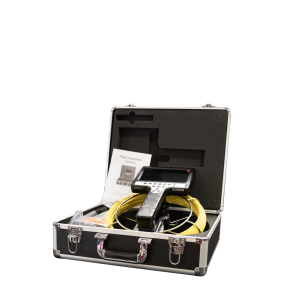
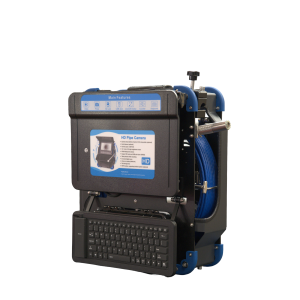
1. Preliminary diagnosis: video inspection to assess the condition of the pipe and identify critical areas
2. Choice of equipment: selection of the chain adapted to the diameter and type of deposits
3. Securing the site: installation of protective equipment and ventilation systems
Intervention techniques
Intensive cleaning with a knife chain follows a specific protocol:
Reconnaissance phase: initial pass at reduced speed to identify obstacles and sensitive areas. This step allows the pressure and rotation speed to be adjusted.
Progressive stripping: treatment in successive sections, gradually increasing the intensity. This approach avoids sudden changes and preserves the integrity of the pipe.
Quality control: verification of the result by visual inspection or camera, allowing the identification of any areas requiring additional treatment.
Comparison with other cleaning tools
Cast iron tartar knife chains are part of a set of complementary tools, each with its own specific features:
Standard chains are ideal for newer pipes made of synthetic materials, but are insufficient for metal encrustations.
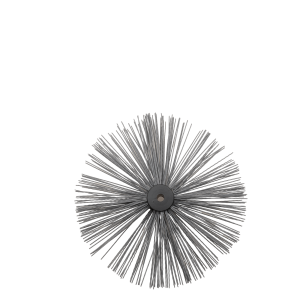
Rotary brushes are excellent for finishing cleaning but lack the power for initial intensive stripping.
Selection criteria according to application
The choice of tool depends on several factors:
– Pipe material: cast iron, PVC, stoneware, concrete
– Type of deposits: limescale, grease, roots, corrosion
– Accessibility: length, bends, available manholes
– Final objective: simple unblocking or preparation for lining
Maintenance and performance optimization
To ensure long-term efficiency, stripping chains require rigorous maintenance:
Preventive maintenance
– Systematic cleaning after each use
– Checking the sharpness of the blades
– Checking the wear on the links
– Lubricating the moving parts
Neglected maintenance can quickly reduce efficiency and cause premature damage to equipment.
Storage and preservation
Storing chains in a dry, well-ventilated environment protects them from corrosion. Organized storage also makes it easier to quickly select the right tool for each job.
Shift toward rehabilitation solutions
Intensive cleaning is often the first step in a broader rehabilitation process. Once the pipe has been thoroughly cleaned, it can be lined or coated.
This meticulous preparation ensures optimal adhesion of resins and rehabilitation materials, significantly extending the service life of the network.
Profitability and operational efficiency
Investment in professional stripping machines quickly pays for itself through increased productivity and high-quality results. High-quality equipment allows you to process more linear meters per day, with long-lasting results.
At Pipelining Discount, we offer this specialized equipment at the best prices on the market, with immediate availability and fast delivery so as not to slow down your projects.
Our comprehensive range of professional accessories supports you in all your cleaning and rehabilitation projects, from preparation to final lining.
Discover our selection of professional pipe cleaning chains and optimize your work on old pipes. Contact us for personalized advice tailored to your specific needs.