Heating, drying, and curing, along with precise control of curing time, are crucial steps in ensuring the success of your pipe lining projects. Optimal curing directly determines the quality and durability of your pipe lining work.
The Basics of Heating for Resin Curing
The polymerization of resins used in pipe lining requires precise control of temperature and exposure time. The curing process typically begins between 60°C and 80°C, depending on the type of resin used. This critical phase transforms the liquid resin into a solid, durable material that will form a perfect seal against the pipe walls.
The use of specialized forced-air heating equipment ensures a consistent and controlled temperature rise. These professional-grade units guarantee even heat distribution, preventing hot spots that could weaken the lining.
Optimizing curing time based on conditions
Curing time varies significantly depending on several environmental and technical factors. Ambient temperature, humidity, pipe diameter, and the thickness of the resin applied directly affect the time required for complete curing.
Factors affecting polymerization
Under standard conditions, allow 2 to 4 hours for complete curing at 70°C. In cold weather, this time may increase to 6 hours, while higher temperatures can reduce the curing time to 90 minutes. The technician’s experience is crucial for adjusting these parameters according to the specific conditions of the job site.
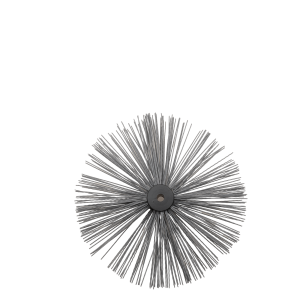
Thorough surface preparation is an essential prerequisite. Using a professional etching system removes deposits and buildup that could compromise the resin’s adhesion. This step ensures uniform curing across the entire treated surface.
Monitoring and quality control
Real-time monitoring of the curing process requires reliable measuring instruments. Regular monitoring of the internal temperature allows for adjustments to be made as needed and helps prevent any risk of thermal degradation.
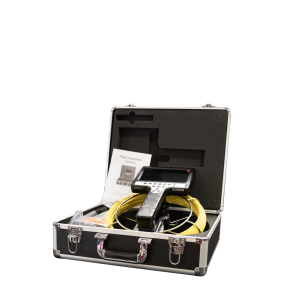
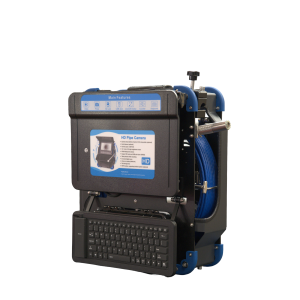
A post-curing visual inspection using a high-definition inspection camera verifies the quality of the lining. This final check confirms the absence of bubbles, folds, or areas that have not cured properly.
Tips for reducing drying time
Effective drying relies on a systematic approach and the use of techniques proven by industry professionals.
Optimal site preparation
Keeping the workstation well-organized significantly speeds up operations. Prepare all necessary equipment before starting the procedure: heating system, temperature probes, stopwatch, and safety equipment. This preparation helps avoid interruptions during the critical polymerization process.
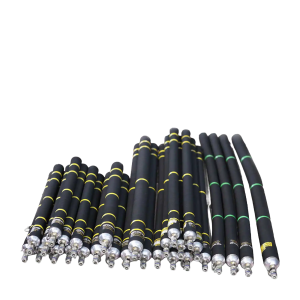
The use of professional-grade epoxy resin cartridges ensures predictable and uniform curing. These specially formulated products offer improved thermal stability and shorter curing times.
Controlled acceleration techniques
Gradually increasing the temperature reduces the overall processing time without compromising quality. Start at 60°C and gradually increase the temperature to 75°C in 5°C increments every 30 minutes. This method prevents thermal shock while optimizing the polymerization kinetics.
Forced air circulation improves temperature uniformity and accelerates the removal of residual moisture. Position the blower system so as to create a steady airflow without causing excessive turbulence.
Managing Technical Challenges on Construction Sites
Actual field conditions often present specific challenges that require adjustments to standard procedures.
Work in confined spaces
Working in a control room or technical room limits access to large equipment. Opt for compact, mobile heating systems that are easy to maneuver in tight spaces. Ventilation is essential for removing polymerization fumes and maintaining safe working conditions.
Climate adaptation
In humid conditions, extend the pre-drying phase to remove surface moisture, which would slow down the curing process. In winter, preheat the pipe before applying the resin to prevent thermal shock. These precautions ensure optimal adhesion and uniform curing.
Safety and Best Practices
When handling resins and using heating equipment, strict adherence to safety guidelines is required. Always wear the appropriate personal protective equipment: chemical-resistant gloves, a respirator, and safety goggles.
Regularly check the condition of heating equipment and ensure it complies with current standards. Faulty equipment can compromise the quality of the work and pose a risk to the operator.
Supply Chain and Construction Site Logistics
At Pipelining Discount, we understand the needs of lining professionals. Our constantly available inventory ensures that essential equipment is always in stock. Our fast delivery policy ensures optimal supply for your projects, even in urgent situations.
Our best prices across the entire product line help you optimize your operating costs while maintaining the professional quality your customers expect. This cost-effective approach helps you stay competitive in a demanding market.
Mastery of resin curing and polymerization is what sets experienced technicians apart. These technical skills, combined with the right professional equipment, ensure the success of even your most complex pipe lining projects.
Explore our full range of heating and drying equipment to optimize your pipe lining projects. Contact our experts for personalized advice tailored to your specific needs.