Using a technical sleeve crack repair packer is an effective and economical solution for repairing damaged pipes without excavation work. This step-by-step tutorial with professional tips guides you through mastering this essential technique.
Packers are now one of the most popular methods used by construction and plumbing professionals to quickly repair faulty sewer systems.
How the crack repair packer works
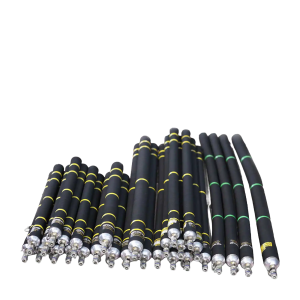
The packer operates on a controlled inflation principle that creates a perfect seal in the pipe. This technical sleeve is positioned precisely at the location of the identified crack or failure.
Once in position, the packer gradually inflates to fit snugly against the inner walls of the pipe. The pressure exerted against the walls immediately stops any leaks and creates a watertight working area for the rest of the operation.
The resin or repair material can then be injected precisely, ensuring a durable and uniform repair across the entire damaged area.
Preparation for the procedure with packer
Preliminary diagnosis of the pipe
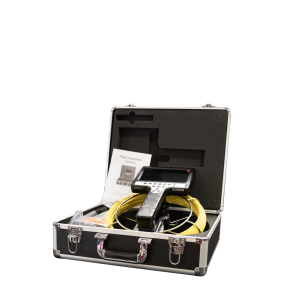
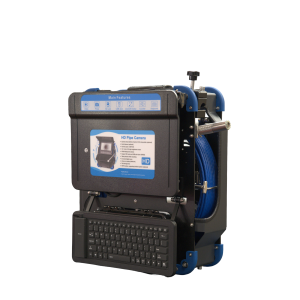
Before any work is carried out, an accurate diagnosis is essential. Using an HD inspection camera allows cracks to be located precisely and the extent of the damage to be assessed. This crucial step determines the type of packer to be used and the intervention strategy.
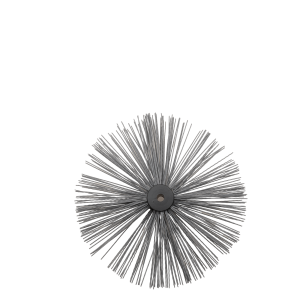
Pre-cleaning the pipe is also an essential step. Deposits, roots, and other obstructions must be removed to ensure optimal adhesion of the repair material.
Selection of suitable equipment
The choice of packer depends on the diameter of the pipe, the type of material, and the extent of the damage. Simple reinforced packers are ideal for most localized repair work.
Selecting the appropriate resin is equally crucial. Epoxy resin cartridges offer exceptional strength and long-term durability for structural repairs.
Step-by-step tutorial for using the packer
Positioning phase
The precise positioning of the packer is the most delicate stage of the procedure. The packer must be guided to the fracture zone using a suitable traction system.
Maintain constant but moderate pressure during insertion to avoid damaging the packer. Progression should be slow and controlled, with regular checks of the position using a camera.
Once you reach the crack, center the packer perfectly to completely cover the damaged area with a safety margin on each side.
Inflation and stabilization
The packer is inflated gradually in successive stages. Start with low pressure to allow the packer to position itself naturally against the walls.
Then gradually increase the pressure until you achieve a perfect seal. Constantly monitor the pressure gauges to avoid overinflation, which could damage the packer or the pipe.
Allow the packer to stabilize for a few minutes before injecting the repair material. This stabilization phase ensures optimal support throughout the polymerization process.
Injection and finishing
The resin must be injected evenly and continuously. Maintain constant injection pressure to prevent the formation of air bubbles, which would compromise the final seal.
Strictly adhere to the curing time specified by the resin manufacturer. This time varies depending on the ambient temperature and humidity of the pipe.
Once polymerization is complete, gradually deflate the packer and carefully remove it to preserve the integrity of the repair.
Expert advice to optimize your interventions
Temperature and humidity control
The temperature of the pipe directly influences the quality of resin polymerization. In the event of low temperatures, the use of a suitable heating system may be necessary to optimize the process.
Excessive moisture can compromise the adhesion of certain resins. Be sure to remove any standing water and dry the area before installing the packer.
Post-intervention quality control
After removing the packer, always perform a visual inspection of the repair using an inspection camera. Check that the resin deposit is uniform and free of defects.
Perform a progressive leak test by gradually putting the pipe back into service. This approach allows any faults to be detected before final commissioning.
Economic and technical advantages of the packer
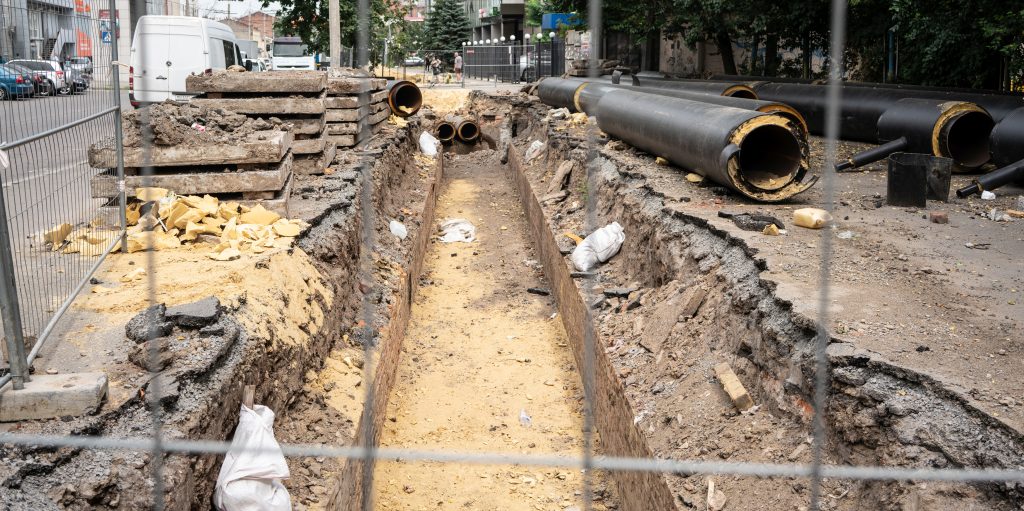
The use of packers for crack repair offers many advantages over traditional methods. The absence of excavation significantly reduces intervention costs and disruption to users.
The speed of execution allows several jobs to be completed in the same day, thereby optimizing the profitability of construction sites. The durability of repairs carried out using this technique guarantees long-term customer satisfaction.
The versatility of packers allows a wide variety of failures, from microcracks to larger breaks, to be treated with standardized equipment.
At Pipelining Discount, we offer a complete range of professional packers at the best prices on the market. Our constantly available stock and fast delivery allow you to respond effectively to your customers' emergencies.
Discover our selection of professional packers now and optimize your repair work with high-quality equipment at unbeatable prices.